

Quick answer
No public chocolate factory operates tours within Bern city limits. The capital is home to historic chocolatiers and specialty shops, but large-scale production moved to facilities outside the city decades ago. Visitors seeking factory tours will need to travel to nearby regions such as Broc, where Maison Cailler offers guided visits, or explore Bern's artisan chocolate workshops instead.
Switzerland produces more than 200,000 tonnes of chocolate each year, yet the country's capital holds no active chocolate factory open to the public. The bern chocolate factory search leads many visitors to expect a Willy Wonka-style tour through conveyor belts and tempering machines, but the reality is more nuanced and rooted in the city's historical role as a center of confectionery trade rather than industrial-scale manufacturing. Bern's chocolate legacy lies in its master chocolatiers and small-batch ateliers that emerged in the 19th century. Names like Tobler originated here, but production shifted to larger facilities in other cantons as demand grew. Today, the Old Town shelters independent chocolate makers who work in open kitchens, where visitors can watch ganache being hand-piped and pralines shaped on marble slabs. These workshops operate on craft principles, producing small runs of filled chocolates, truffles, and seasonal specialties. Some offer tasting sessions and short demonstrations, though they differ sharply from the industrial factory tours found in regions like Gruyère or Ticino. For those determined to see large-scale chocolate production, Maison Cailler in Broc—an hour by train from Bern—remains the closest option. The facility includes a self-guided route through the roasting and conching stages, followed by a tasting hall stocked with experimental flavors. Another alternative is the Chocolat Frey visitor center near Buchs, which focuses on the Swiss mass-market tradition and includes interactive stations that explain tempering curves and emulsification chemistry. Bern compensates for the absence of a bern chocolate factory with density of artisan offerings. The Zytglogge district alone holds four independent chocolatiers, each with distinct house styles. Visitors can assemble a self-guided tasting route that moves from almond gianduja at one counter to single-origin Venezuelan bars at the next. The city's annual Chocolate Festival in November transforms Bundesplatz into a marketplace of regional producers, many of whom offer live demonstrations of traditional techniques like moulage and hand-dipping. This event draws exhibitors from across the canton and provides a concentrated snapshot of Swiss chocolate craft without requiring travel to multiple factory sites.
“Switzerland produces more than 200,000 tonnes of chocolate each year, yet the country's capital holds no active chocolate factory open to the public.”
Bern Chocolate Factory Opening Hours
There is no chocolate factory in Bern available for public visitation. Consequently, there are no operating hours for such a facility.
| Monday | Closed | |
|---|---|---|
| Tuesday | Closed | |
| Wednesday | Closed | |
| Thursday | Closed | |
| Friday | Closed | |
| Saturday | Closed | |
| Sunday | Closed |
The History of Chocolate Production in Bern
Bern's chocolate heritage traces to the late seventeenth century, when guilds regulated confectionery production within the city walls. By 1760, Bern's apothecaries sold solid chocolate blocks imported from Spain and France, grinding cacao in stone mills. The Helvetic Republic's trade liberalization in 1798 opened Swiss markets to Caribbean cacao, and Bern merchants established direct import channels through Bordeaux. In 1819, François-Louis Cailler opened Switzerland's first mechanized chocolate factory in Vevey, inspiring Bernese artisans to modernize their workshops. Rodolphe Lindt's conching invention in 1879 transformed Swiss chocolate into a global standard, and Bern's confectioners adopted the technique within a decade. The Tobler family, originally from Bern, founded their iconic factory in 1899, producing Toblerone from 1908 onward—though manufacturing later shifted to Bern-Brünnen and eventually abroad. By 1920, Bern housed over thirty small-scale chocolate ateliers, many clustered near the Aare mills that powered grinding machinery. Post-war consolidation saw regional producers absorbed by Suchard, Nestlé, and other conglomerates, and by 1985 no large-scale bern chocolate factory remained within the medieval city center. Today, visitors explore Bern's chocolate legacy through the city's historic confectioneries along Kramgasse and Gerechtigkeitsgasse, where artisan chocolatiers still hand-temper pralines using nineteenth-century recipes. The Bern Historical Museum displays original grinding stones, molds, and trade ledgers from the guild era, preserving the material record of a craft that shaped Switzerland's most recognized export.
Bern apothecaries begin selling imported solid chocolate blocks ground in stone mills
Helvetic Republic trade reforms allow Bern merchants to establish direct Caribbean cacao import routes
François-Louis Cailler opens Switzerland's first mechanized chocolate factory in Vevey, influencing Bernese producers
Rodolphe Lindt invents conching process; Bern confectioners adopt the technique within ten years
Tobler family founds factory producing Toblerone from 1908, initially tied to Bern
Over thirty small-scale chocolate ateliers operate in Bern, many near Aare River mills
Last large-scale production facility closes in Bern's city center due to corporate consolidation
Chocolate Experiences Near the Bern Chocolate Factory Location
While there is no public chocolate factory in Bern, the city center hosts traditional chocolatiers that preserve the local confectionery craft. These shops provide a direct connection to the artisanal techniques synonymous with Swiss chocolate heritage.
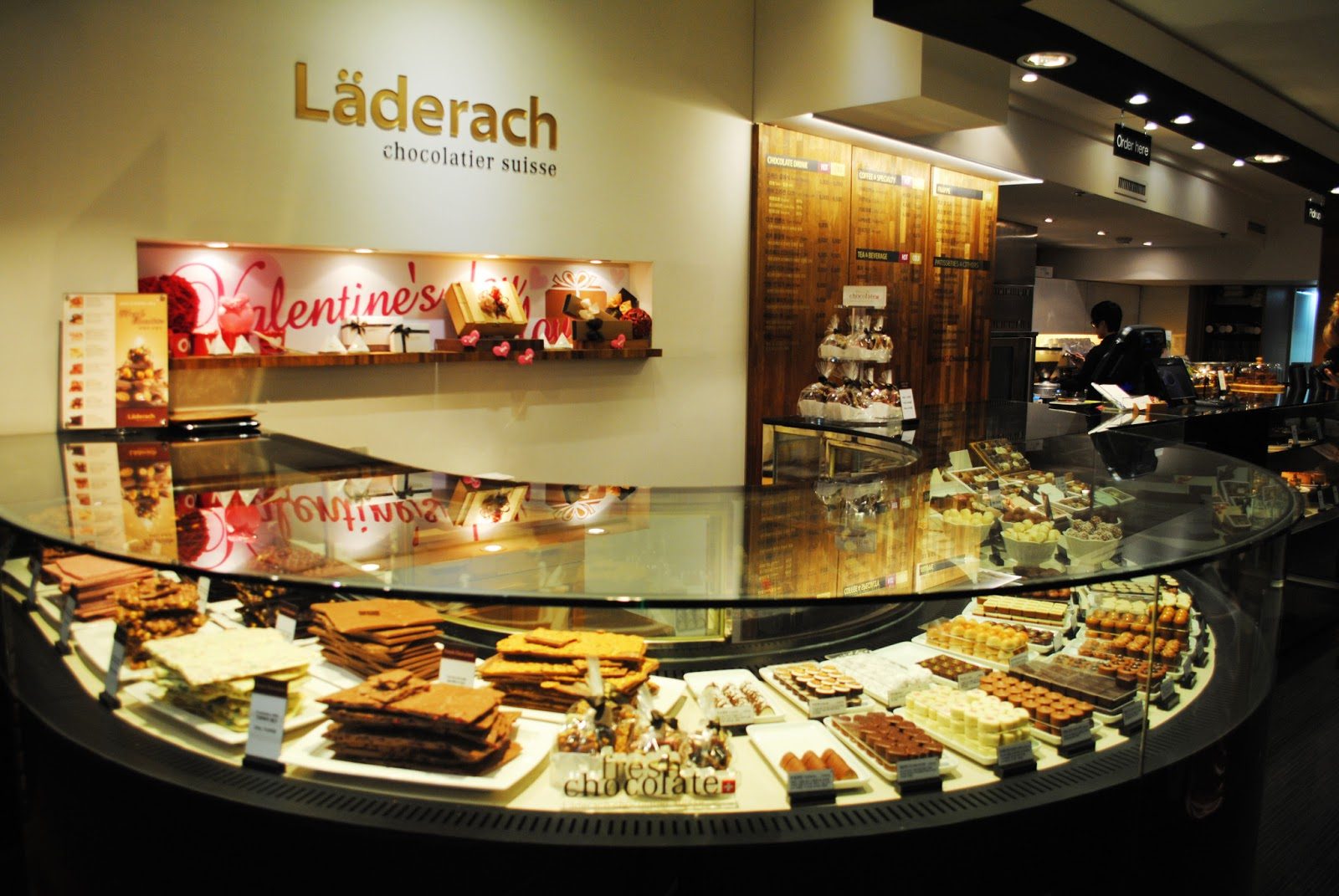
Läderach Chocolatier Suisse
This location offers a variety of fresh chocolate barks and pralines located in the heart of the old town.
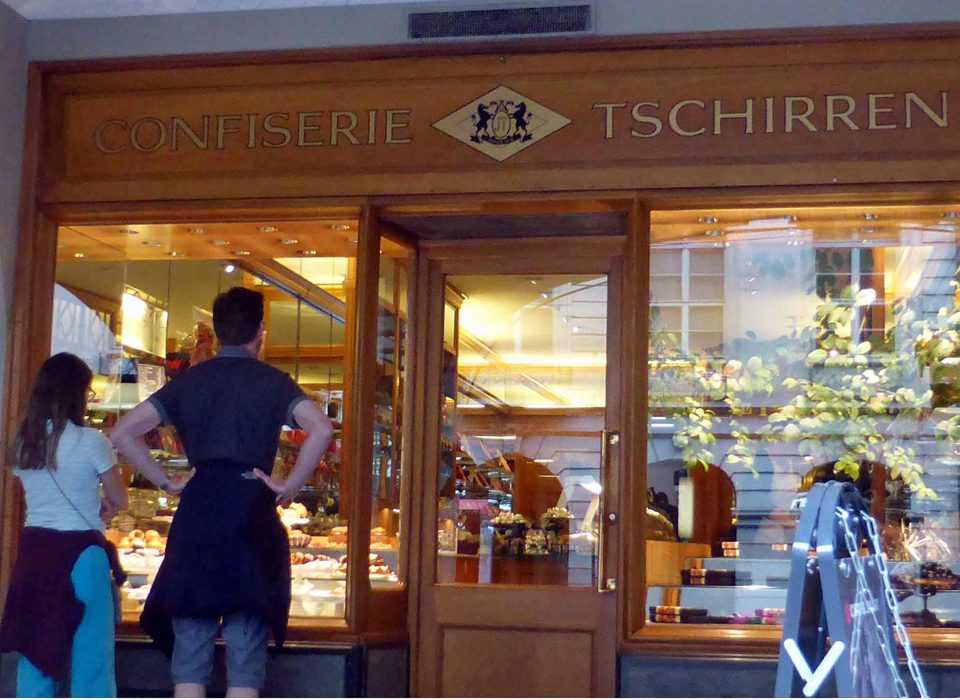
Confiserie Tschirren
A family-run establishment known for hand-crafted truffles that reflect traditional Bernese confectionery methods.
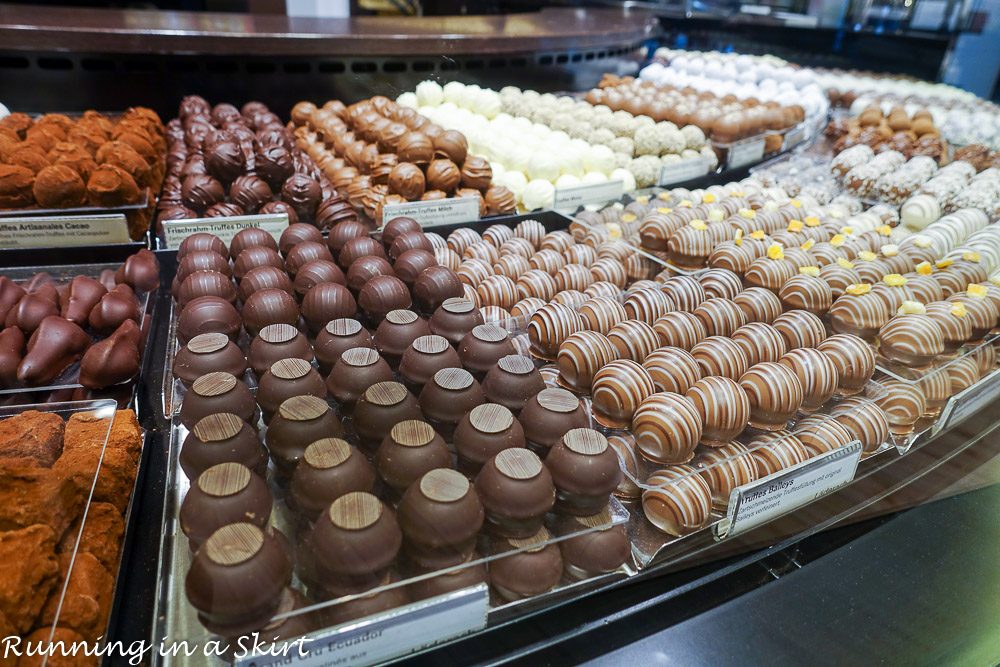
Swiss Chocolonely Shop
This shop highlights contemporary chocolate production and ethically sourced cocoa varieties within the city district.
Check availability
Frequently Asked Questions About Bern Chocolate Factory
Everything you need to know about bern chocolate factory