

Quick answer
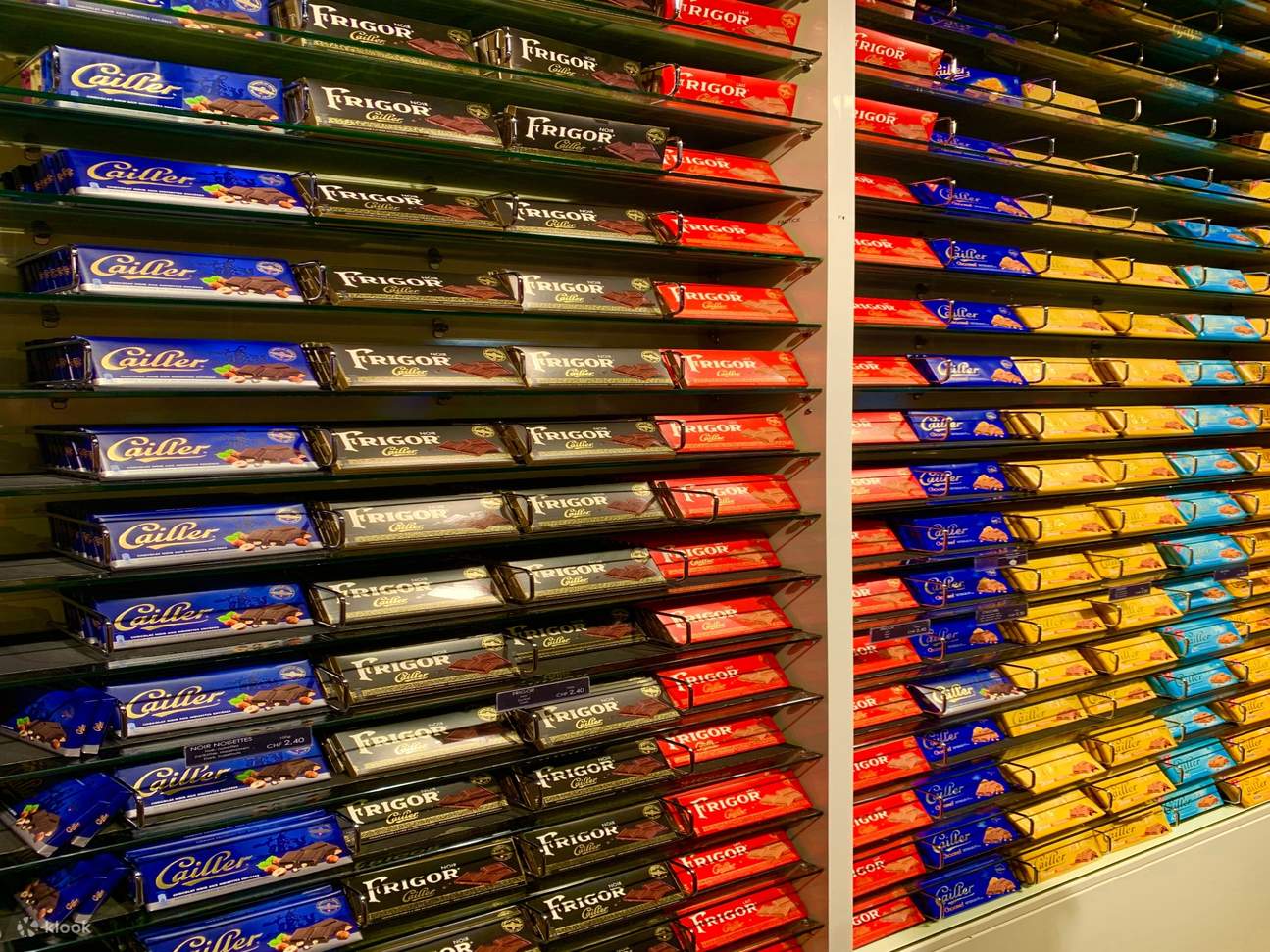
Yes, Switzerland is famous for chocolate due to pioneering innovations in the 19th century—including milk chocolate, conching, and fondant techniques—that set global quality standards. Swiss law mandates minimum cocoa content and prohibits vegetable fat substitutes, while the country's per-capita consumption and export volume both rank among the world's highest. Bern hosts both legacy chocolatiers and modern artisan workshops where these techniques remain visible.
Switzerland's chocolate reputation began in 1819 when François-Louis Cailler opened the country's first mechanized chocolate factory in Vevey. Within fifty years, Swiss innovators had introduced milk chocolate (Daniel Peter, 1875), the conching process that produces smooth texture (Rodolphe Lindt, 1879), and gianduja hazelnut paste (mixing Alpine dairy with imported cacao). These technical advances became the foundation of what the world now recognizes as premium chocolate. The Swiss chocolate industry operates under Ordinance 817.022.108, which defines minimum cocoa solids, prohibits non-cocoa vegetable fats, and mandates specific milk-fat ratios. This regulatory framework, enforced since 1901 and updated through 2023, guarantees baseline quality across every product labeled "Swiss chocolate." Combined with long-standing guild apprenticeships and controlled tempering methods, the legal standard underpins Switzerland's export success—Switzerland ships roughly 115,000 tonnes abroad each year, despite its small size. Bern's chocolate landscape reflects both industrial heritage and artisan revival. Läderach, located at Christoffelunterführung 2 in Bern's main station, produces FrischSchoggi (fresh chocolate) daily using visible tempering wheels and single-origin couvertures. The shop opens Monday through Friday from 07:30 to 21:00, Saturday from 08:00 to 20:00, and Sunday from 10:00 to 20:00; entry is free, and the ideal visit window falls between 10:00 and 17:00 to avoid commuter congestion. Other Bernese chocolatiers—both in the Altstadt and near Bundesplatz—continue the same conching and hand-finishing methods that defined the craft 140 years ago. Switzerland's chocolate fame is not folklore. It rests on measurable factors: the invention of milk chocolate, a protective legal standard, the world's highest per-capita consumption, and an unbroken tradition of artisan training. Visitors to Bern encounter that tradition in working form, from tempering tables to retail counters where couverture is cut to order. The reputation endures because the craft and the regulation remain active.
“Switzerland ships roughly 115,000 tonnes of chocolate abroad each year, despite its small size.”
When Is Switzerland Famous for Chocolate: Bern Visit Hours
The retail location at Christoffelunterführung is open seven days a week to accommodate visitors. Regular hours apply throughout the week with adjusted times on weekends.
| Monday | 07:30–21:00 | |
|---|---|---|
| Tuesday | 07:30–21:00 | |
| Wednesday | 07:30–21:00 | |
| Thursday | 07:30–21:00 | |
| Friday | 07:30–21:00 | |
| Saturday | 08:00–20:00 | |
| Sunday | 10:00–20:00 |
When Is Switzerland Famous for Chocolate: Best Time to Visit
The best arrival window is 10:00–17:00 to avoid peak commuter traffic in the station area. Visiting during these hours ensures a more relaxed shopping experience when navigating the Christoffelunterführung location.
Weekday mornings
Low crowd density—
Arrive between 10:00 and 12:00 to enjoy the shop before the lunch rush.
April and October
Moderate tourismMild 10°C to 15°C
Spring and autumn offer pleasant walking temperatures for exploring Bern city center.
Summer months
High visitor volumeWarm 20°C to 25°C
Expect increased foot traffic; prioritize morning visits to avoid peak heat and crowds.
Verdict: The best time to visit is Tuesday to Thursday between 10:00 and 17:00 during the shoulder months of April or October.
Is Switzerland Famous for Chocolate? Combining Your Bern Visit
Bern provides a compact experience where historical landmarks and local culture remain accessible within a short walk from the station area. Combining a chocolate visit with these nearby sites allows you to transition from artisan confections to the city's architectural heritage efficiently.
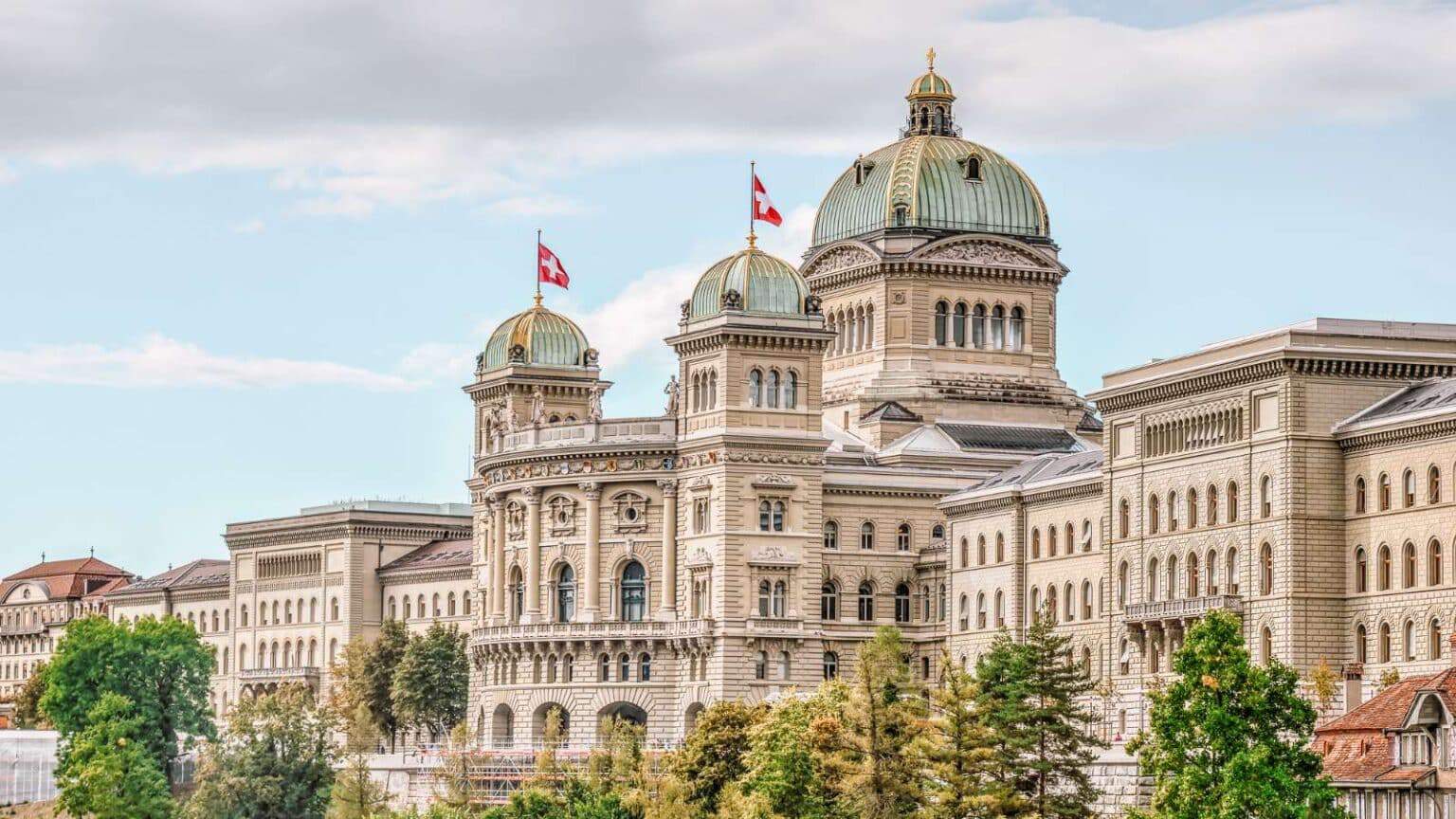
Federal Palace of Switzerland
This seat of government features a prominent dome and public plazas, offering a clear view of Swiss political history near the shopping district.
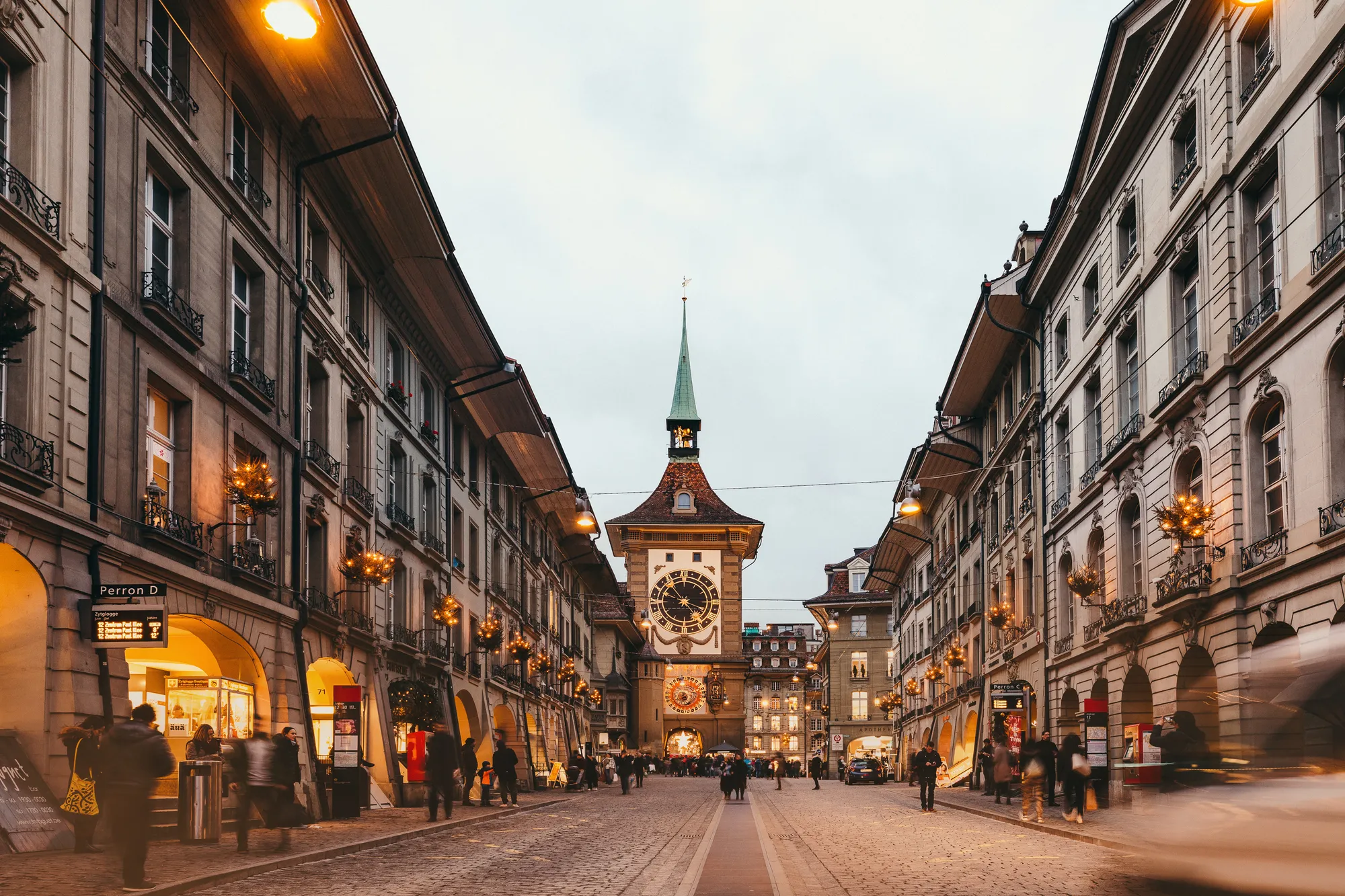
Zytglogge Clock Tower
As a medieval landmark, this tower marks the entrance to the old city and features an astronomical clock that complements a walk through Bern's historic center.
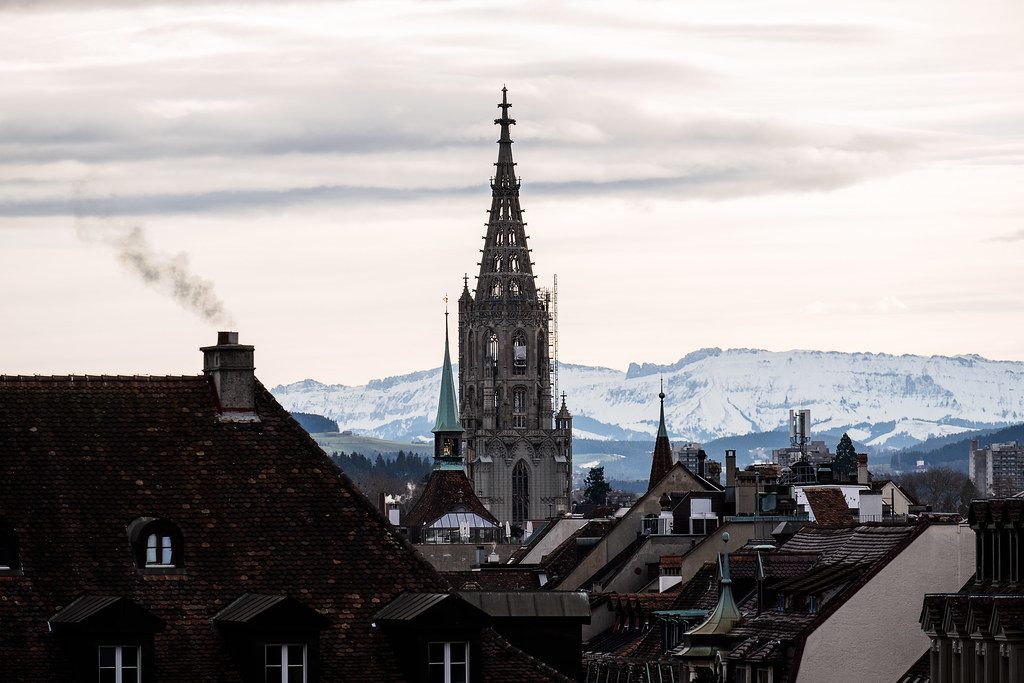
Bern Minster
This cathedral features the highest church spire in Switzerland and serves as a quiet contrast to the bustling city streets, situated along the path toward the Aare River.
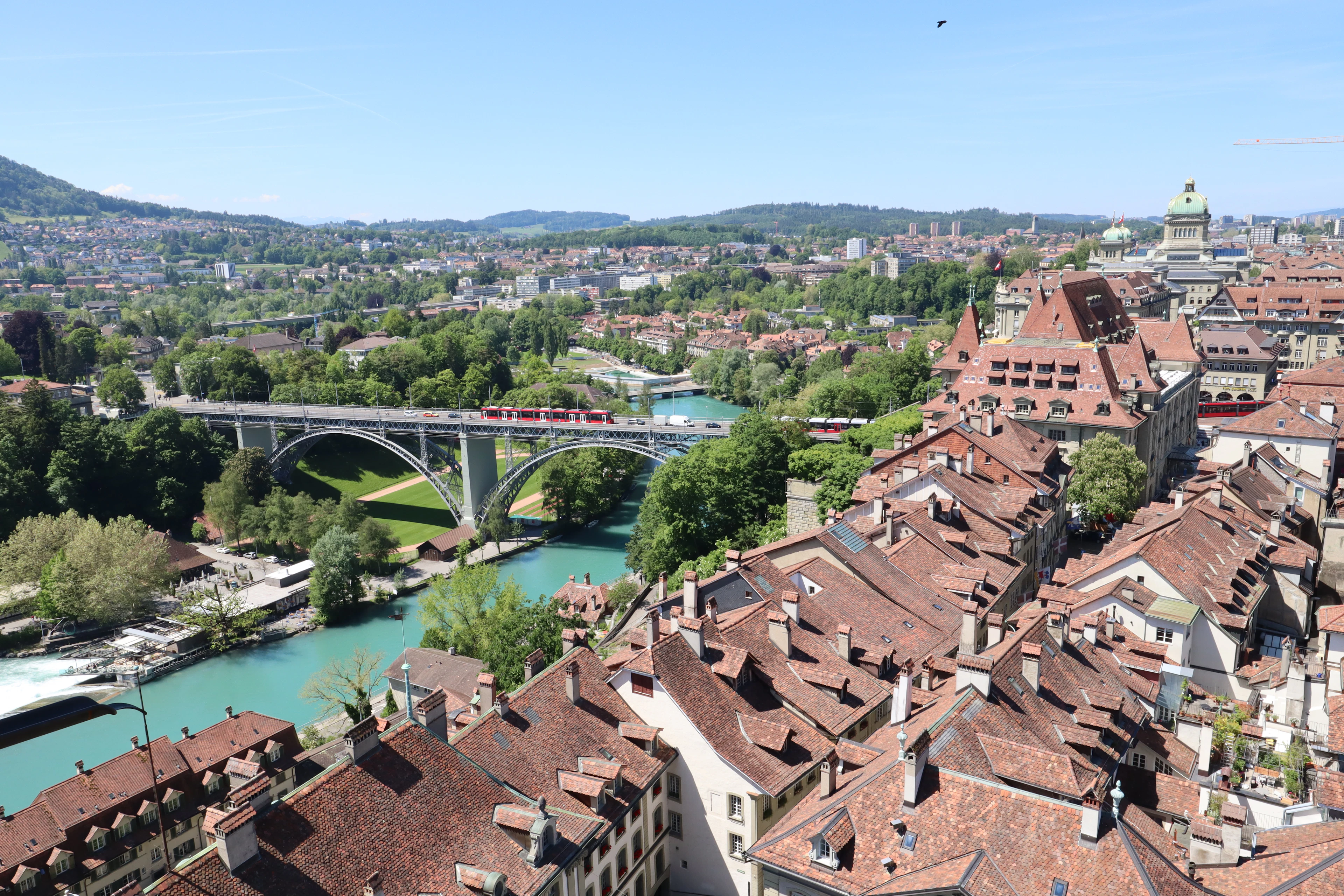
Rosengarten
Located across the river, this park provides an elevated view over the entire UNESCO-listed Old Town, serving as a vantage point after exploring the city center.
Check availability
Common questions about Bern and Swiss chocolate culture
Everything you need to know about is switzerland famous for chocolate